
Build an approval‑ready credit profile
Understand what’s driving your credit decisions, identify items that may be unfair or inaccurate, and take a structured next step toward stronger approvals and better terms.
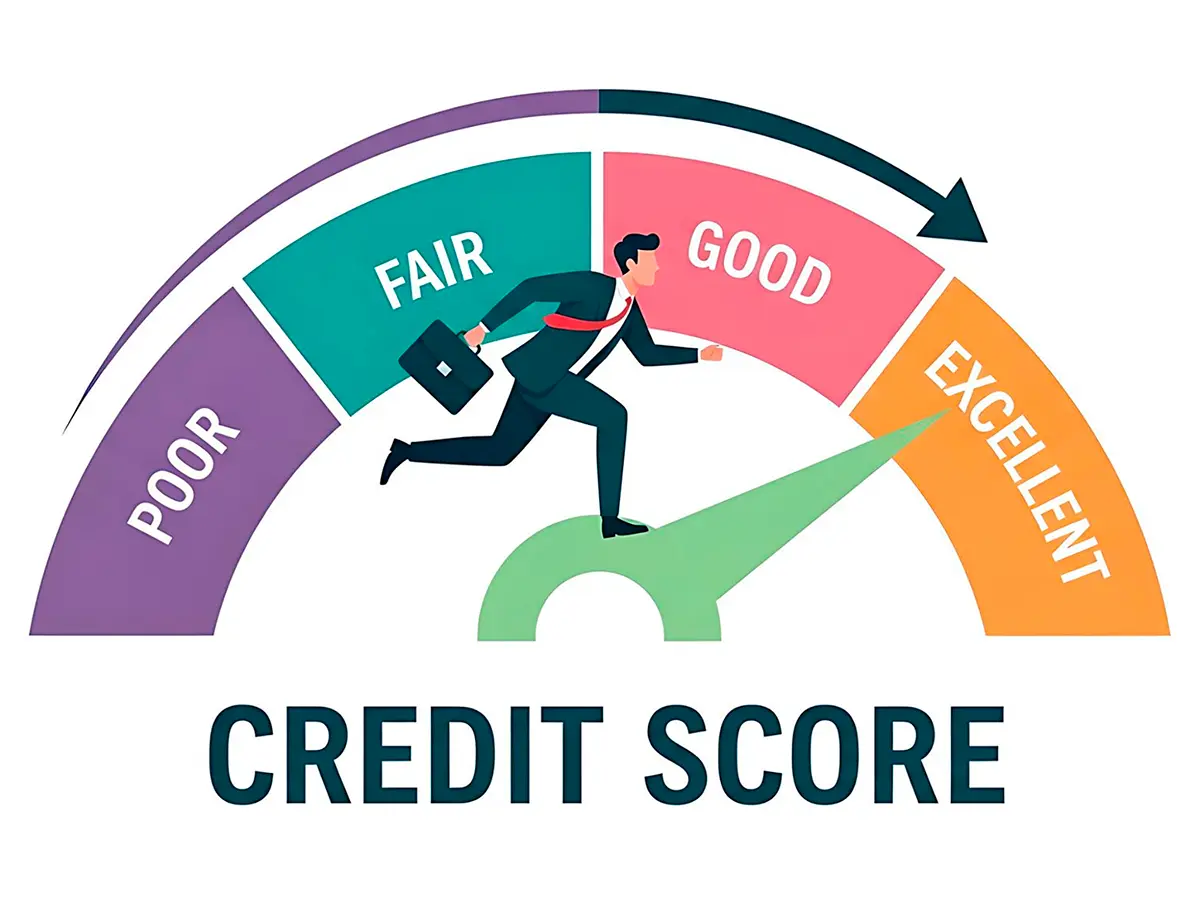
Built around established U.S. credit reporting practices and dispute procedures under the Fair Credit Reporting Act (FCRA). No unrealistic promises—just clarity, documentation, and structured credit improvement.
Unlock more options
Choose the outcome you care about. We’ll outline what improves it—and what to watch for—so you can move forward with confidence.
Your path to stronger credit
A stronger credit profile can mean better approval odds, improved loan terms, and more financial flexibility. Get a clear, no-fluff overview of what credit improvement can help you achieve — then take the next step when you're ready.
Credit decisions in the U.S. are typically influenced by payment history, utilization ratios, account age, recent inquiries, and the accuracy of reporting across major credit bureaus.
Even small inconsistencies can affect lending algorithms. A structured credit improvement approach focuses on verified data, responsible usage patterns, and consistent financial behavior.
*Results vary. This page does not guarantee outcomes.
How it works
A straightforward workflow used by reputable credit‑support programs: review, challenge what’s questionable, and build stronger habits while updates are processed.

Review your starting point
Clarify your goal and look at what’s currently affecting approvals and terms.

Identify what can be challenged
See what information is typically needed, what to expect next, and how the workflow usually looks.

Move forward
Continue to explore available options and take the next step toward better credit outcomes.
credit repair experts I evaluated as a first-time user
I started with a bruised score from a medical collection and a maxed-out store card. Friends insisted that credit repair experts could "erase everything." I doubted that. I wanted fairness and a path to confidence, not magic. So I compared several services side by side and kept notes like I would for any contract I might sign.
What I expected vs what I found
I expected slick promises; I found a spectrum. Some firms spoke plainly about consumer rights and error correction. Others pushed guarantees that felt too tidy. The better ones explained limits clearly: they can challenge inaccuracies and unverifiable items, but accurate negatives usually stay until they age off. That honesty helped me feel cautiously optimistic - restrained optimism felt appropriate.
How they actually work
- Pull and review all three credit reports, looking for inconsistencies, outdated items, or accounts reported twice.
- Document the issue and dispute through the bureaus or directly with furnishers, citing relevant consumer-protection rules when needed.
- Request verification, corrections, or removal of items that cannot be verified.
- Coach on utilization, payment timing, and new credit behavior so positive data accumulates while disputes are pending.
The best conversations were about process transparency - who drafts the letters, how evidence is stored, and what happens if a bureau "verifies" but the data is still wrong. I learned that persistence and paperwork beat bravado.
Comparing options
- Transparency: Clear disclosures, sample dispute language, and an estimated cadence of updates.
- Dispute approach: Tailored challenges with documentation versus generic mass-mail tactics.
- Education: Will they explain utilization thresholds, aging, and mix of credit?
- Data security: Encryption, limited access, and a straightforward privacy policy.
- Flexibility: Month-to-month plans and easy cancellation, not long lock-ins.
- Track record: Case examples with realistic outcomes, not certainty.
Costs and timelines
Fees varied: some charged a setup plus monthly service; others priced per item corrected. Timelines were measured in months, not days. I learned to view the cost against potential interest savings and housing opportunities rather than against a fantasy of overnight perfection.
DIY or expert help?
I tried a do-it-yourself letter first, and it worked for a small clerical error. For a tangled collection history, expert help saved time and reduced back-and-forth. Both paths can be valid; the choice depends on complexity and your comfort writing formal disputes.
A small real-world moment
After an apartment application got flagged, I called one shortlisted firm from my car outside the leasing office. Their analyst spotted a late payment reported by two bureaus but missing proof from the lender. We assembled statements and a timeline; the item was corrected the next month. My score didn't soar, but it nudged up, and the second screening passed. Quiet progress felt better than hype.
Fairness and confidence
What reassured me most was a steady, rules-first posture: request evidence, correct mistakes, respect the system's guardrails. Fair disputes build lasting confidence. Aggressive promises usually hint at shortcuts that backfire.
My deciding checklist
- Plain-language explanation of rights and limits.
- Evidence-led disputes with audit trails.
- Regular, dated progress reports.
- No pressure to add new tradelines I didn't need.
- Clear exit options and no surprise fees.
I ended up choosing a service that spoke softly and showed receipts. It wasn't thrilling, but it was fair, measured, and effective enough to move me forward - optimistic, carefully.
We are a Law Group that specializes in legal credit repair. If you are in need of credit and debt counseling for a higher credit score please call ...
Empower yourself with an assertive solution for credit repair, reinforced by legal experts. Take action today and unlock your full potential.
Hire the best credit repair experts. Work with top-quality freelance credit repair experts who will get your project done just right.
Frequently asked questions
A clear next step — without the guesswork
See what’s impacting approvals and what may deserve a closer look.
Understand how disputes are structured and what documentation matters.
Improve utilization, consistency, and long-term credit stability.
See what improving your credit could change
Take a structured next step based on your current profile — and decide with clarity.